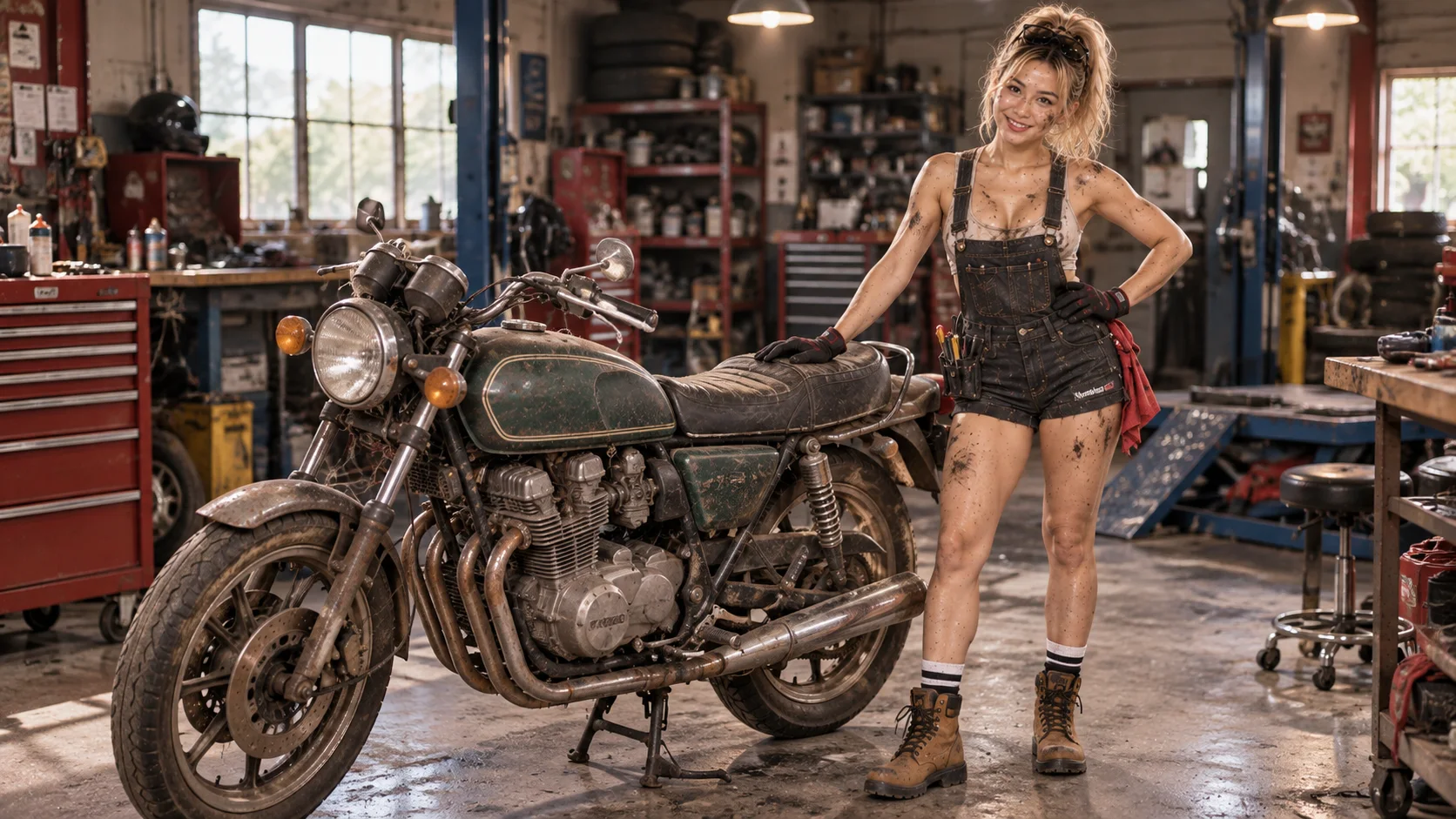
Old motorcycles have a dangerous talent. They make you look at them and think, “That probably won’t take much.” This one had been sitting for years. It was dusty, the metal had oxidized, the chain had seen better days, and I had absolutely no intention of pressing the starter button just to see what happened.
Meet the Project
This was an older Japanese-style standard motorcycle: an air-cooled inline-four engine, carburetor-era induction, a conventional telescopic fork, twin rear shocks, chain final drive, round headlight and simple steel-frame construction. The dark-green bodywork still had character, even under the dust.
It was also a fictional, generic editorial motorcycle design. I did not need a model name, year, displacement or a heroic backstory to understand what the machine needed next.
Why I Didn’t Try to Start It
A long-stored motorcycle can have old fuel, contaminated passages, degraded oil, a dead battery, deteriorated hoses, poorly lubricated components, electrical problems, tired brakes or unsafe tires. None of those conditions is guaranteed, but all of them are worth considering before asking the engine to run.
The point was simple: inspect first, crank later.
The First Inspection
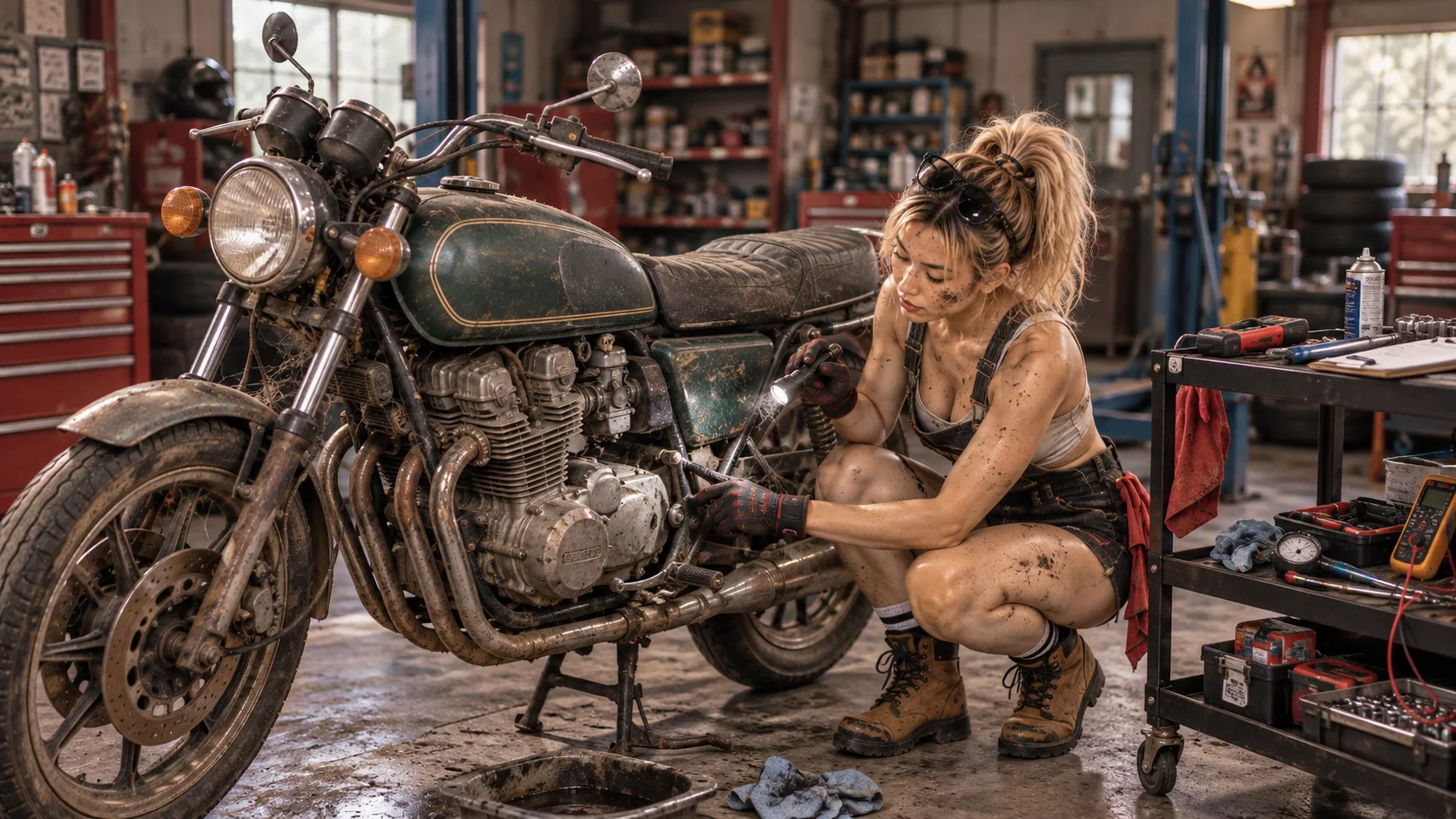
I looked broadly before committing to any one repair. The engine and fluids needed a visual check for leaks, contamination or obvious damage. The tank, fuel lines and carburetor area could tell me whether stale fuel had become part of the story.
I also looked at the battery, visible wiring, connectors and grounds; the tires for age, cracking, pressure and condition; the brake controls and components; and the chain for corrosion, lubrication and obvious damage. This was not a universal restoration procedure. It was a way to replace assumptions with observations.
Old Fuel Is Not Your Friend
Gasoline changes when it sits. Volatility changes, deposits can form, and contamination can affect fuel-system cleanliness and small carburetor passages. Safe handling, ventilation and the correct disposal approach matter more than rushing toward a first start.
The Carburetors Needed Attention
Carbureted motorcycles can need fuel-system attention after long storage. Float bowls, jets and passages may carry deposits, and fuel delivery may not be consistent. Depending on the machine and the work performed, synchronization may also need consideration afterward. The details belong in a vehicle-specific procedure, not in a made-up universal setting.
Fluids Before Heroics
Before treating “first start” as the goal, I wanted basic mechanical health to make sense. That meant considering engine oil, brake fluid where applicable, fresh fuel, lubrication and other service items appropriate to the machine. Exact fluids and specifications depend on the motorcycle and its manufacturer documentation.
The Electrical System
Old electrical systems often need patience. A dead battery, oxidized terminals, poor grounds, aging connectors, damaged insulation or corroded contacts can all create uncertainty without announcing one dramatic fault. I treated each observation as information instead of trying to guess the ending.
Making It Run Isn’t the Same as Making It Safe
Before riding, brakes, tires, steering, suspension, chain and final drive, controls, lights and fluid leaks all deserve attention. Running is a milestone, not a roadworthiness certificate.
The Small Jobs Add Up
The project was not one spectacular repair. It was many smaller jobs: clean, inspect, replace what was no longer trustworthy, lubricate, adjust, test, and check again. Machines often return to health through a series of correct small decisions rather than one heroic repair.
The First Start
Once the fuel system had been addressed, fluids considered, electrical system functioning and basic mechanical condition assessed, the first start became a reasonable question instead of a gamble.
There are louder sounds than an old four-cylinder engine coming back to life. There just aren’t many that feel better after spending hours wondering whether it ever would.
Recommissioned? Not Restored.
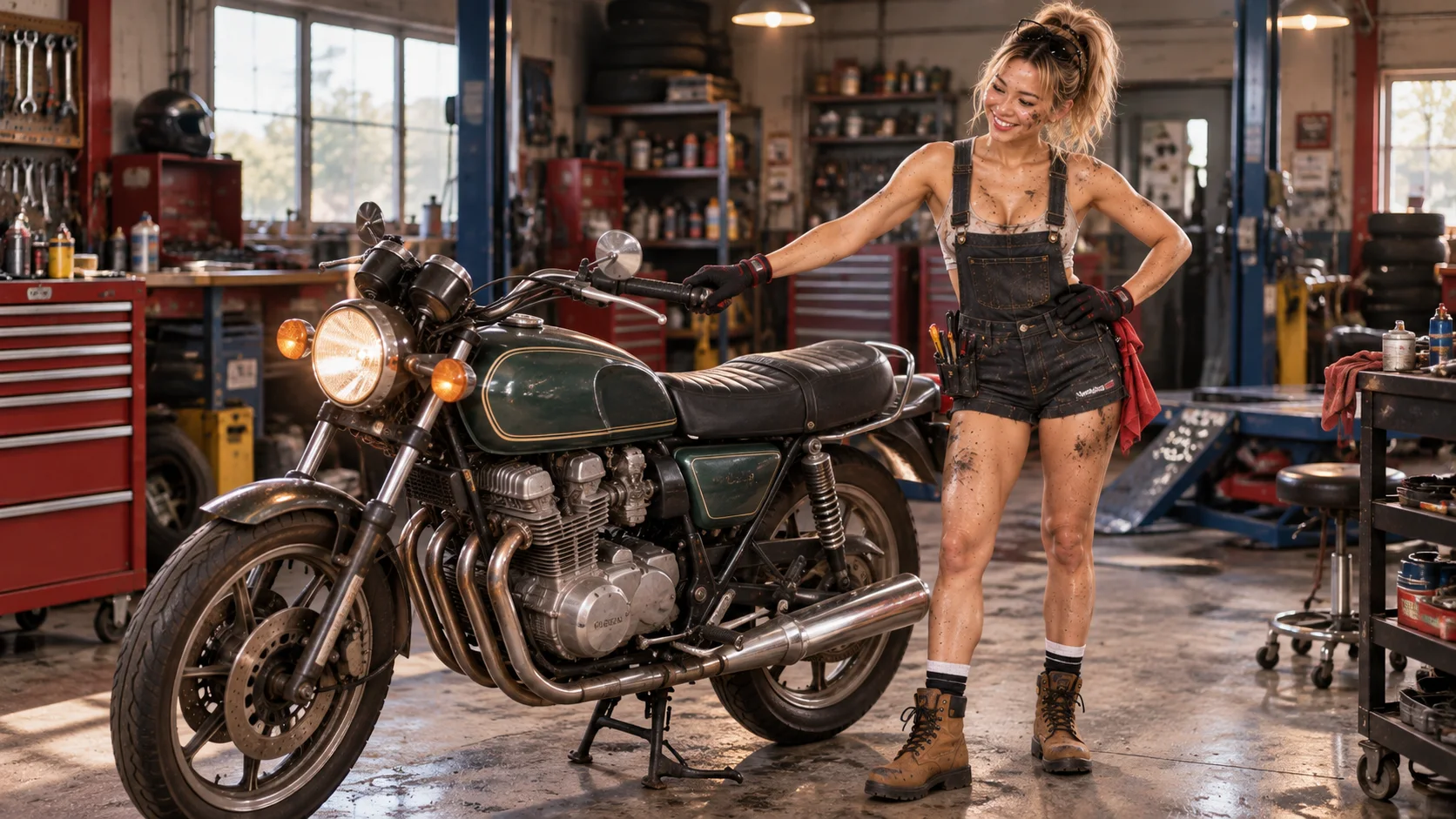
The goal was not a concours restoration. The motorcycle still showed age, and that was okay. The objective was to understand the machine, address critical systems, make it functional and safer, and return it to usable condition without erasing every sign of its history.
What I Learned
Project Result
- Project
- Old motorcycle recommissioning
- Starting condition
- Long stored, dusty, aged and unknown mechanical condition
- Goal
- Understand the motorcycle, address critical systems and return it to usable mechanical condition
- Result
- Running and recommissioned while preserving its original character
- Status
- Completed
Final Thoughts
Bringing an old machine back is less about proving that it can run and more about learning what it needs before asking it to. The motorcycle’s best moment was not a dramatic reveal. It was the steady accumulation of small, careful decisions that made the next decision safer.